Foundation Repair in Sheboygan, WI
A cracked or bowing foundation may require repair-request an estimate to determine the scope and cost for your project.
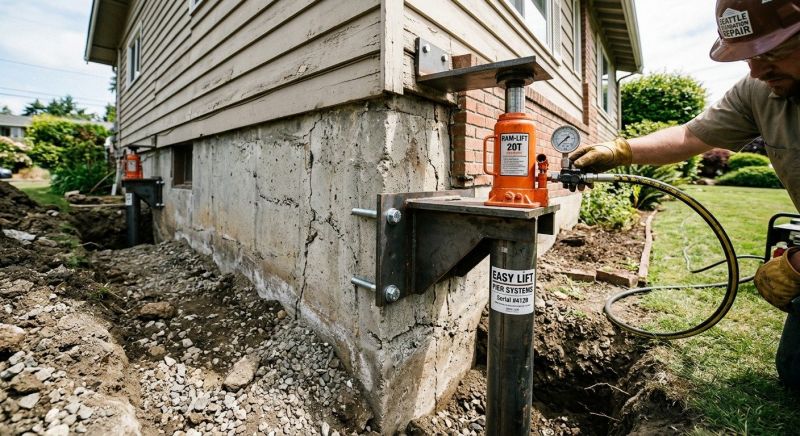
Foundation Repair Project Planning
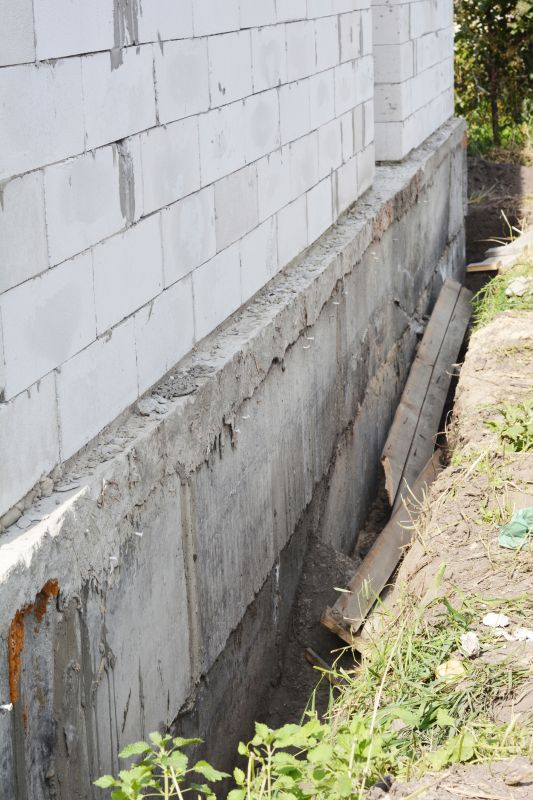
Determine the specific foundation section needing repair and assess existing cracks, settlement, or water damage to define the scope.
Decide whether underpinning, piering, or lifting is appropriate based on soil conditions and foundation type, considering material durability.
Compare estimates by examining detailed descriptions of foundation lifting procedures, underpinning systems, or concrete reinforcement deliverables.
Foundation Repair Options
Compare the main project types and choose the option that best matches the work you need.
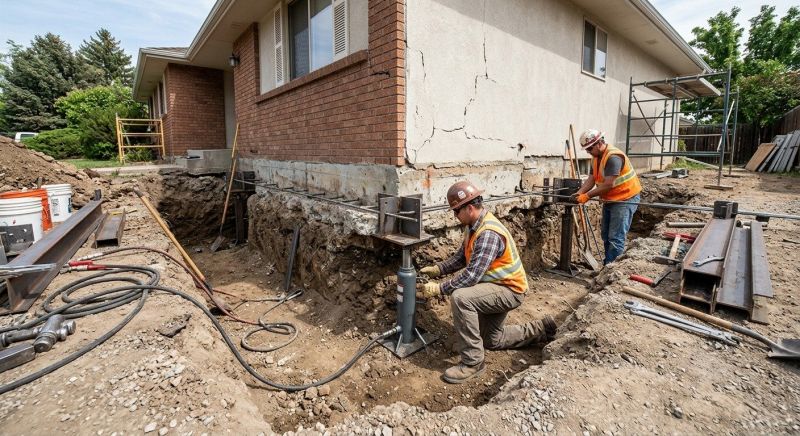
Foundation Repair
Foundation repair is appropriate when cracks, settlement, or water damage compromise your home's stability, requiring underpinning, piering, or lifting to restore support.
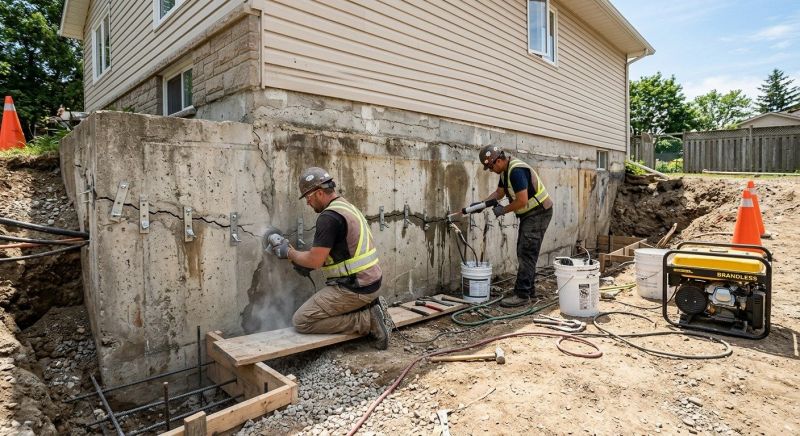
Concrete Foundation Repair
Concrete foundation repair is appropriate when cracks, bowing, or water damage threaten your home's stability, requiring underpinning, piering, or lifting to restore support.
What to Expect
Use these general planning benchmarks to frame the project before requesting an estimate.
Common Questions
Quick answers to practical questions about foundation repair.
How can I determine if my foundation needs repair or replacement?
An inspection of cracks, settlement, and water damage can reveal if repair restores stability or if replacement is necessary.
What materials are used for foundation repair, and how durable are they?
Common materials include reinforced concrete and steel underpinning, which are designed for long-lasting support and resistance to future damage.
Will foundation repair cause significant disruption or require extensive preparation?
Repair typically involves minimal disruption; the most important preparation is ensuring access and removing obstructions around the foundation.
How do I know if my foundation repair is compatible with my existing structure?
A professional assessment ensures the repair method and materials match your foundation type and soil conditions for proper integration.
What maintenance or aftercare is needed once foundation repair is complete?
Regular inspections for cracks or water issues help maintain foundation stability and extend the lifespan of the repair.
How long does foundation repair typically last before needing further work?
Properly performed repairs can last 25-50 years, depending on soil conditions and ongoing maintenance.
Share your project type, property details, and main goal to request an estimate.
Get A Local Estimate